By Chelsea Dickson
A healthy gastrointestinal tract is fundamental to the well being, performance and reproductive potential of every horse. For Broodmares, maintaining digestive comfort and a balanced intestinal environment is important throughout pregnancy, lactation and the many management changes that come with breeding season.
The equine gut is home to a complex and highly active community of microorganisms. This gastrointestinal microbiota plays a vital role in fibre digestion, nutrient utilisation, immune function and the protection of the intestinal barrier. When the population s balanced, it supports a resilient horse. When it is disrupted by stress, dietary change or environmental pressures- such as seasonal change or pasture, digestive efficiency and overall health may be challenged.
Environmental challenges to the equine gut
Breeding horses may face a range of situations that influence the hindgut health and microbial balance. These may include:
· Seasonal pasture changes and variations in grass sugar, fibre or protein content.
· Changes in hay
· Transporting, stabling, breeding or weaning.
· Weather change, such as wet or extreme dry and frost.
· Periods of increased nutritional demand, particularly in late pregnancy or lactation.
Changes in feed or pasture can unbalance hindgut fermentation, which may alter pH, influence microbial population and place pressure on the gut barrier. Supporting the gut before and during these challenges may assist to maintain resilience rather than reacting once a problem arises.
The importance of a balanced gastrointestinal microbiota
A well balanced gastrointestinal microbiota supports the horse in several ways. Beneficial bacteria assist with fibre fermentation and help create an environment that is less favourable for unwanted microbes. A healthy microbial population also contributes to normal immune communication within the intestine.
Equally important is the integrity of the gastrointestinal barrier. The intestinal lining acts as a selective barrier, allowing nutrients to be absorbed while inhibiting the limit of toxins and harmful bacterial components into the body. When the GI barrier is under pressure, the horse may be more vulnerable to the negative effects of digestive stress.
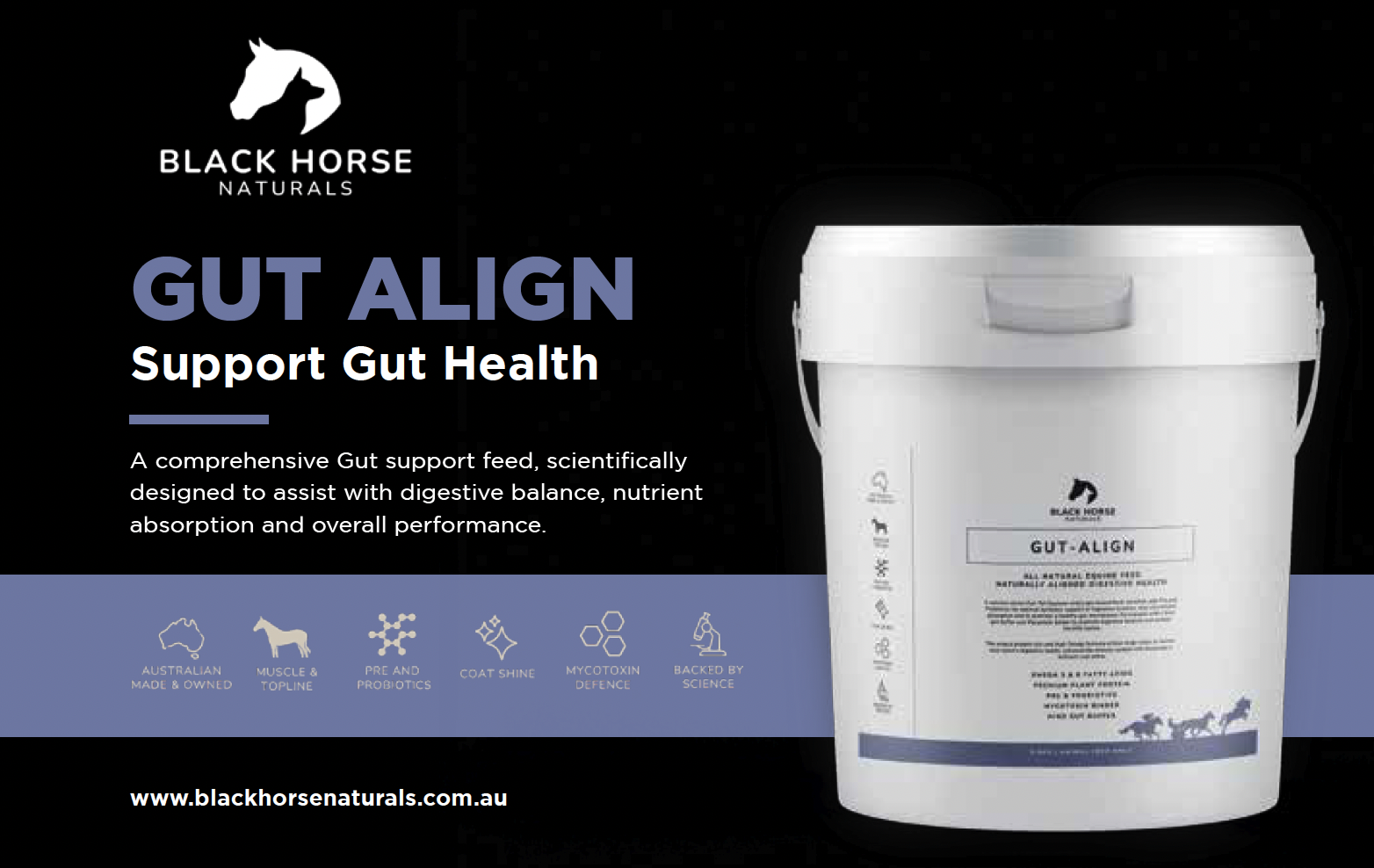
Daily digestive support can be a practical part of a broader broodmare nutritional program. Ingredients such as prebiotics, probiotics and postbiotics are designed to support a favourable microbial population. For Broodmares, preserving this balance is especially valuable. A mare that is supported nutritionally through pregnancy and lactation is better positioned to maintain condition, digestive health and the nutritional foundation needed to raise a healthy foal.
· Prebiotics – Provide “food” that can encourage beneficial gastrointestinal bacteria
· Probiotics – Introduce beneficial bacteria to support microbial balance
· Postbiotics – Are beneficial compounds produced through microbial fermentation and may support gut and immune function.
When combined with hindgut buffers and toxin binders, these components can provide a synergistic support for horses exposed to dietary and environmental factors.
· Hindgut Buffers may assist in managing the effects of excessive acidity and fluctuating pH, common in grain fed horses.
· Toxin Binders are intended to reduce the impact of harmful toxins, and their potential cytotoxic effect on epithelium cells (barrier function)
Supporting the mare, supporting the foal
The health of a breeding mare influences more than her own well being and condition. A mare with sound nutrition, effective fibre digestion and a well supported GI tract is better equipped to meet the demands of gestation and lactation.
While no nutritional product replaces good pasture management, quality hay and veterinary care, daily gut support can be an important tool in being proactive with your broodmare’s overall health, and may lay a strong foundation for healthy foals on the ground.